Free to post Vetted providers near you Payment held safely until the job is done
Damp and mould form in homes due to excess moisture, poor ventilation, and temperature changes. Preventing mould before winter involves fixing leaks, improving airflow, sealing walls, and using proper mould cleaning methods. Early prevention reduces health risks, protects property value, and avoids costly home repair in South Africa.
Last fact-checked: March 2026
As winter approaches in South Africa, homes become more vulnerable to damp and mould. Colder temperatures and increased indoor humidity create the perfect environment for spores to develop. If left untreated, mould can damage your property and lead to expensive home maintenance costs.
In this guide, you’ll learn:
-
What mould is and why it forms
-
How to prevent damp before winter
-
Effective mould cleaning strategies
-
When to call professionals
What Is Mould and Why Does It Form?
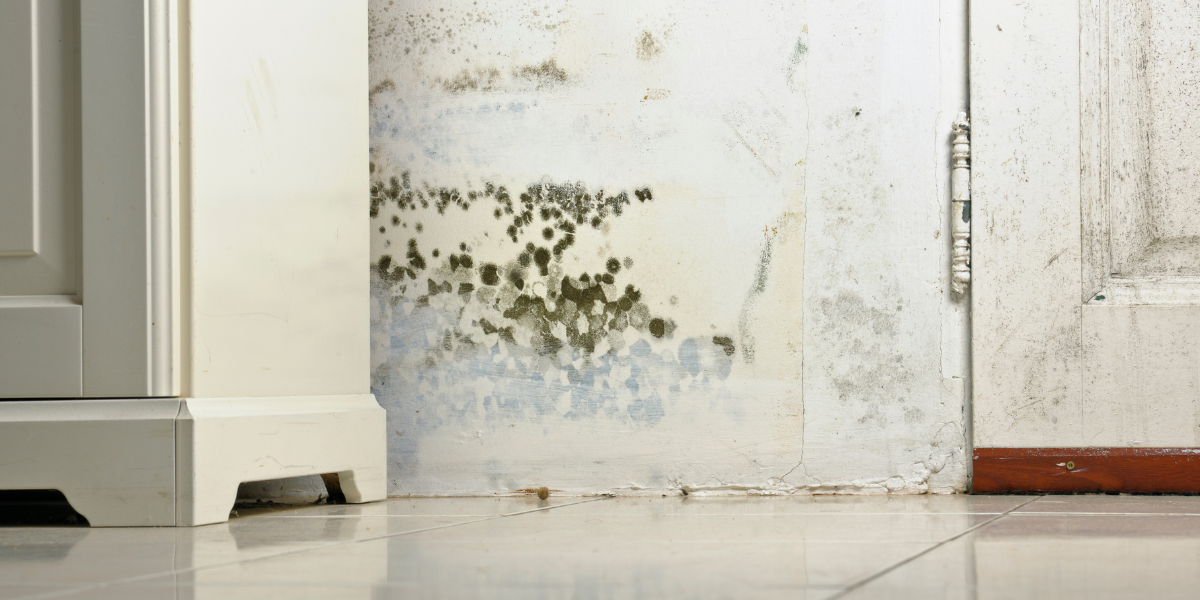
Mould is a fungus that grows in damp, poorly ventilated environments. In South African homes, it follows specific conditions.
Common Causes include:
-
Leaking roofs or pipes
-
Poor ventilation in bathrooms and kitchens
-
Rising damp in walls
-
Blocked gutters and drainage systems
How to Prevent Damp Before Winter
Prevention is not glamorous, but it is effective.
1. Fix Leaks Immediately
Even small leaks create long-term moisture. Check your plumbing connections and ceilings. Water always finds a way, and mold follows. If you're struggling with persistent leaks, read our guide on solving common plumbing problems.
2. Improve Ventilation
Airflow disrupts mould growth. Use extractor fans or open windows daily. If your fans aren't working, you may need a quick electrical check to ensure proper airflow.
3. Seal Walls and Cracks
Exterior cracks allow moisture to seep in. A professional painting service can apply waterproof sealants to act as a barrier against damp intrusion.
4. Manage Indoor Humidity
Avoid drying clothes indoors and keep rooms warm. For larger properties, a dedicated home management system can help monitor these seasonal changes.
5. Clean Gutters and Drainage
Blocked gutters lead to water overflow. Regular gardening and exterior maintenance prevent structural moisture buildup.
Mould Cleaning: What Works and What Doesn’t
For small areas, a vinegar or mild bleach solution works well. However, if the mould is caused by hidden moisture, you may need to login to your account to book a professional inspection.
What to Avoid:
-
Painting over mould without treatment.
-
Ignoring recurring spots.
-
Using excessive water during cleaning.
When to Call Professional Mould Remediation Services
Call professionals if mould covers large areas or if you notice strong musty smells. Local experts can perform full mould inspections and moisture source identification. If you are a specialist in this field, you can register as a service provider to assist our customers.
The Health and Financial Impact
Ignoring mould can lead to respiratory issues and reduced property value. Proper property maintenance in South Africa is the best way to avoid these risks.
Conclusion
Control moisture, improve airflow, and maintain your home and mold has nowhere to go. Whether you need a handyman for small repairs or a specialist for appliance repairs to fix a leaking dishwasher, taking action now is essential.
Ready to winter-proof your home? Register as a customer today to find vetted professionals. For more details on our standards, view our terms and conditions or contact us.
Frequently Asked Questions About Damp and Mould
1. Where can I find professional mould remediation services near me?
You can find professional mould remediation services by searching online for local providers, checking platforms like Kandua or Snupit, or contacting specialised environmental cleaning companies in your area. Always choose providers with verified reviews, certifications, and experience in handling mould removal and moisture control.
2. Which companies offer eco-friendly mould treatment solutions?
Many South African mould remediation companies now offer eco-friendly mould cleaning solutions that use non-toxic, biodegradable products. When choosing a provider, ask specifically about green treatment options that are safe for children, pets, and indoor air quality.
3. What is the cost of professional mould inspection and testing?
The cost of professional mould inspection in South Africa typically ranges from R1,500 to R8,000, depending on the size of the property and the level of testing required. More advanced air quality or surface testing may increase the total cost.
4. What are the signs of mould on walls in a home?
Common signs of mould on walls include dark or greenish patches, peeling paint, damp or musty smells, and recurring stains. Early detection is important to prevent structural damage and health issues.
5. How do I prevent mould from coming back after cleaning?
To prevent mould from returning, fix the underlying moisture problem, improve ventilation, reduce indoor humidity, and regularly inspect problem areas. Effective mould cleaning alone is not enough, long-term prevention depends on controlling damp conditions.